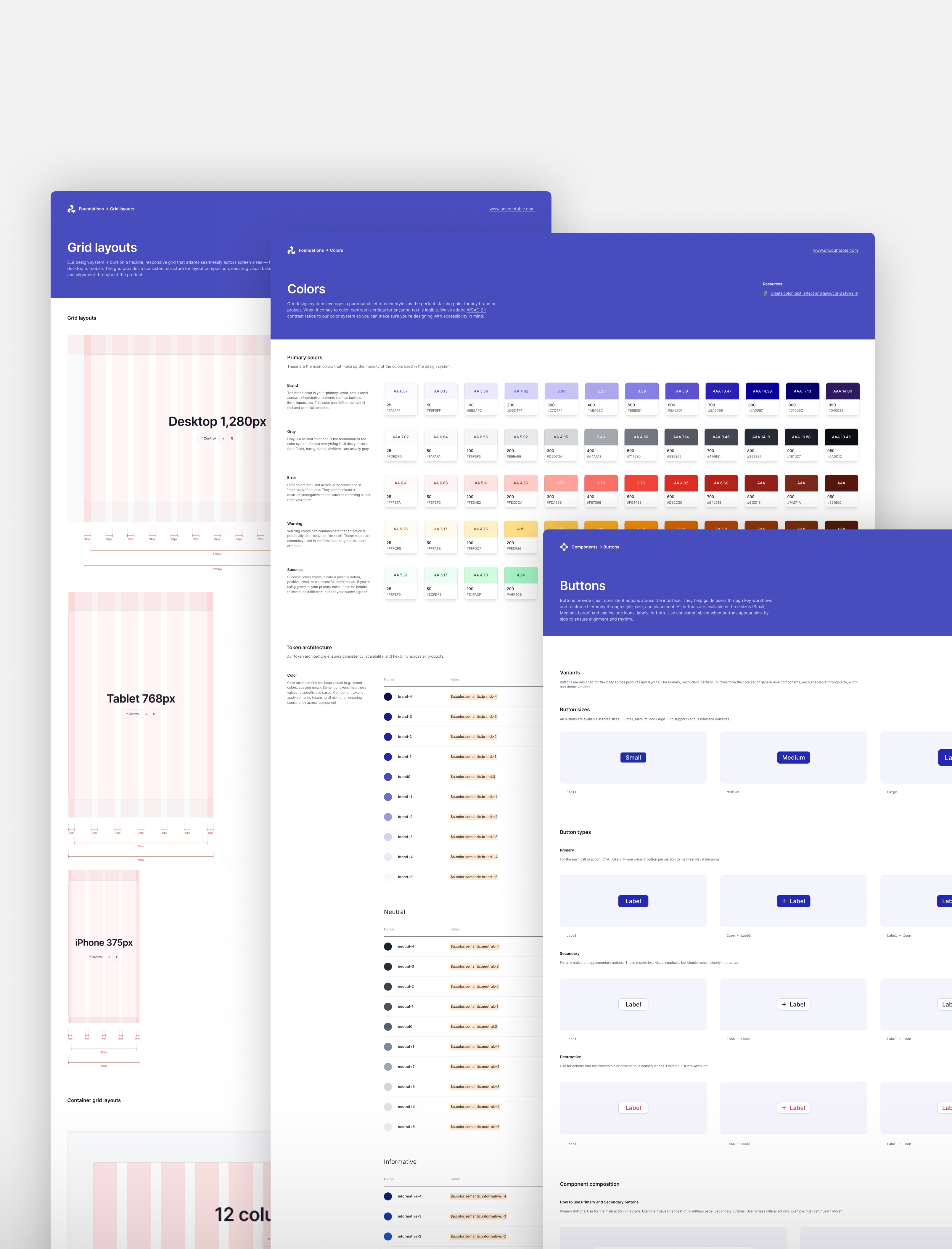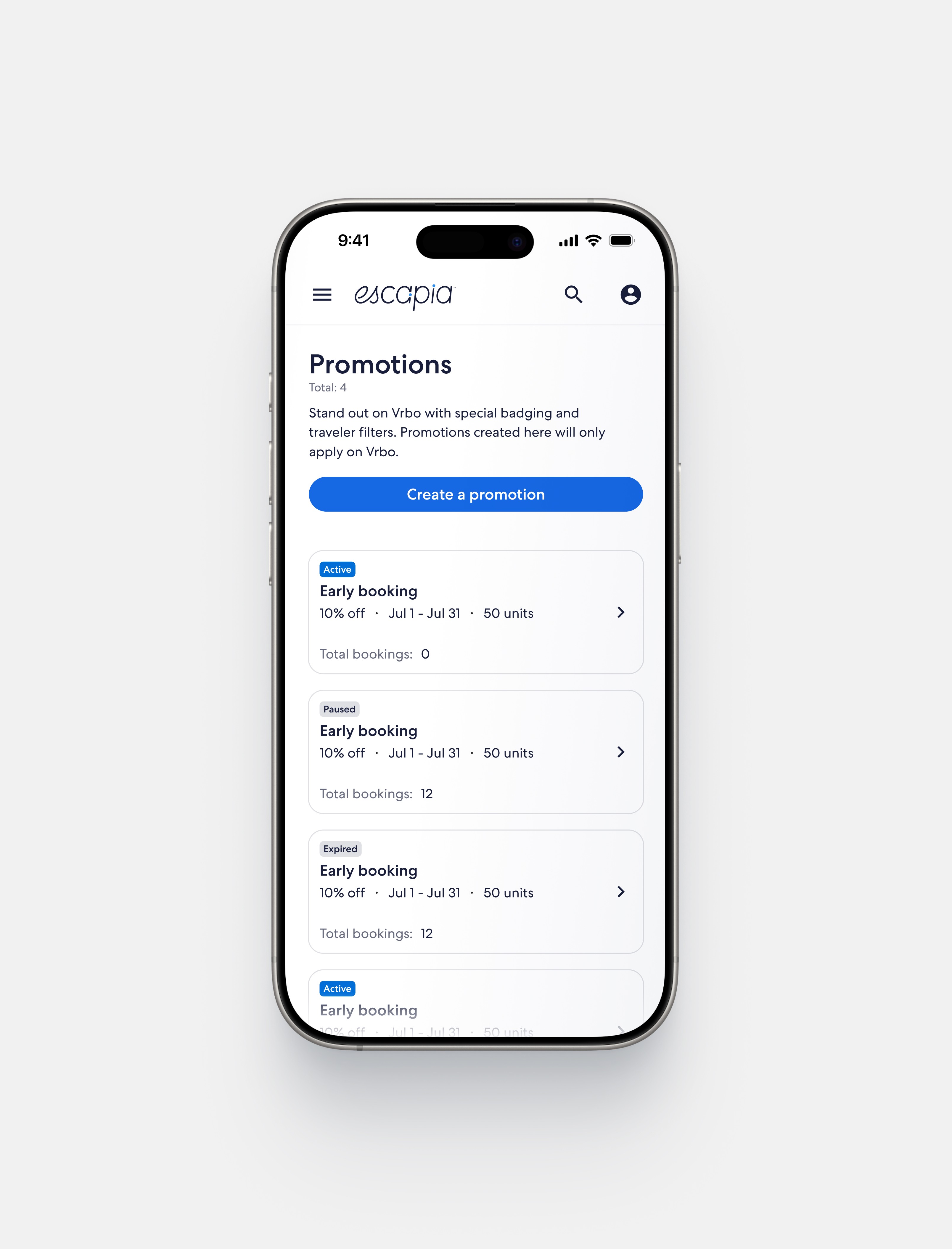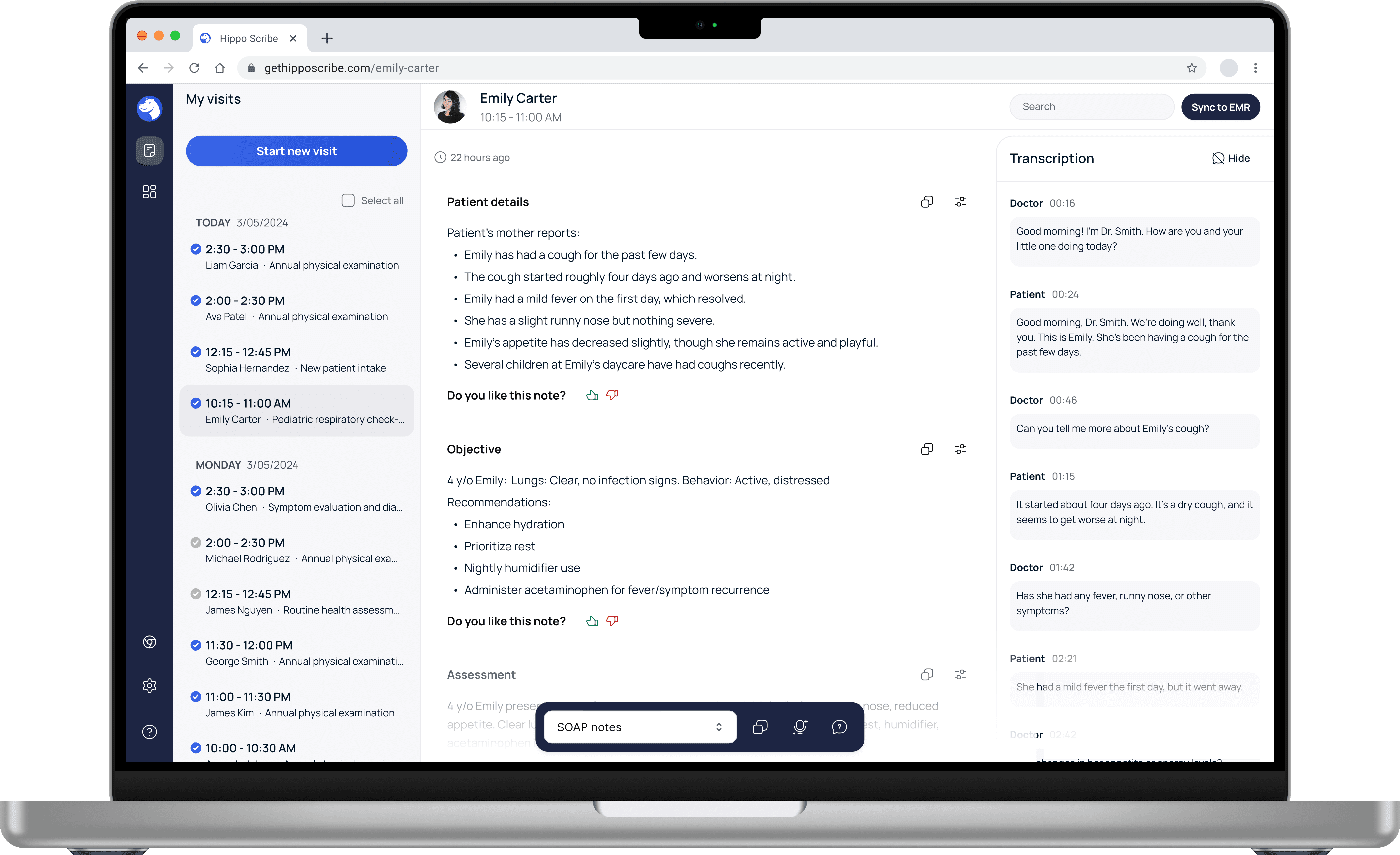
Hippo Scribe, an ai-assisted medical note platform that uses ambient listening or dictation to capture patient visits, automatically generates medical notes, and integrates them with Electronic Medical Record (EMR) systems.
Company:
Hippo Scribe
Date:
2024
Team:
Founding designer (me), Founder, 1 Front-end, 1 Back-end Developers
The goal was to redesign the MVP to improve usability and increase retention ahead of launch.
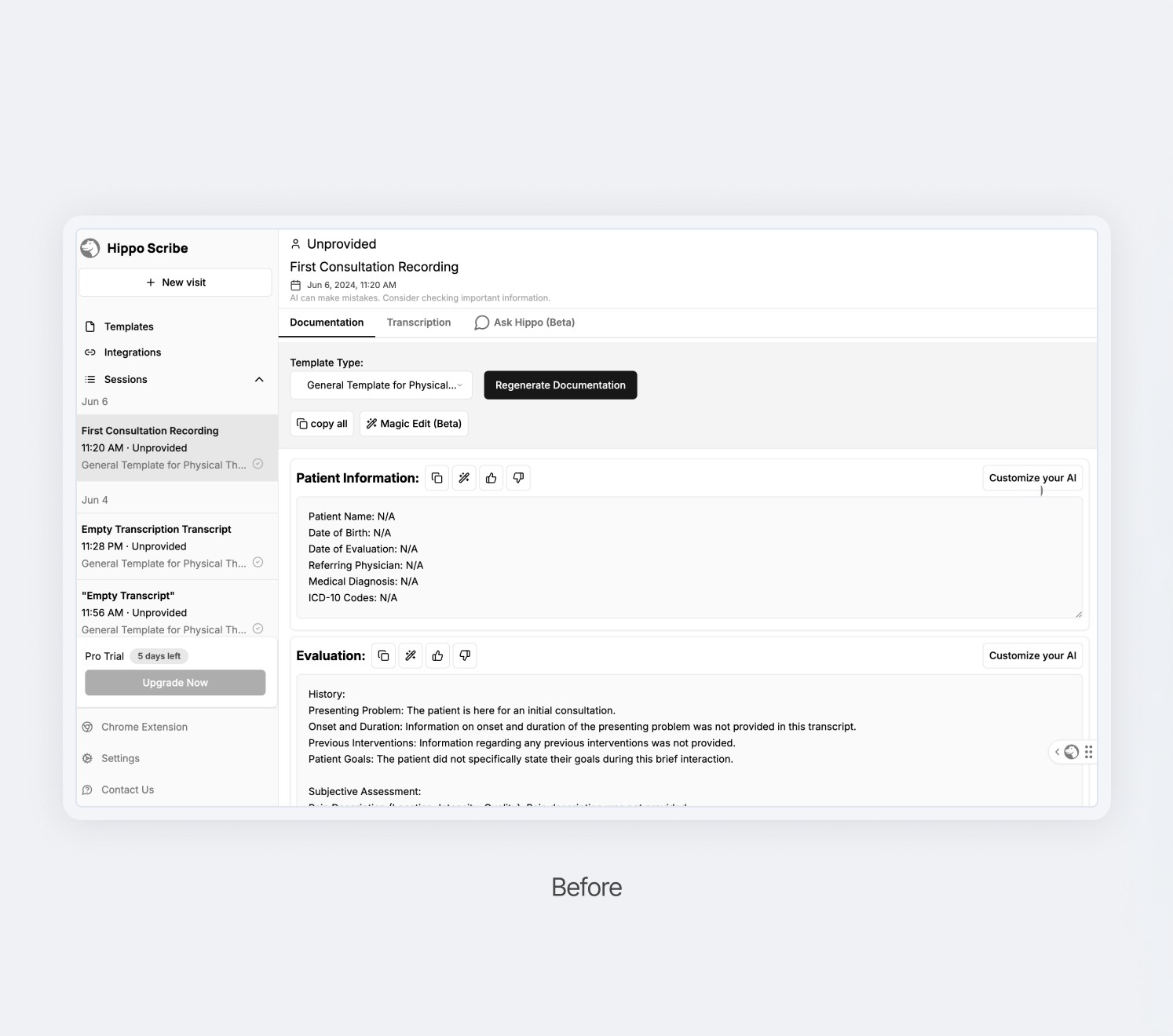
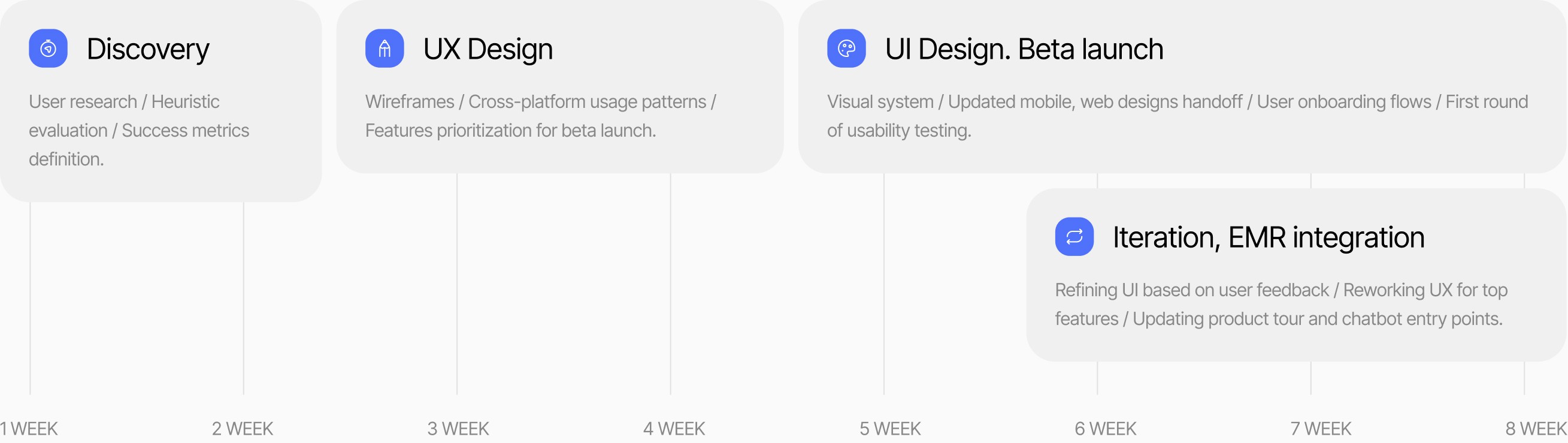
The team was aiming for a launch in 3 months but was at risk of missing product-market fit due to poor usability and fragmented workflows. We followed an iterative Double Diamond process, prototyping weekly and testing improvements quickly.
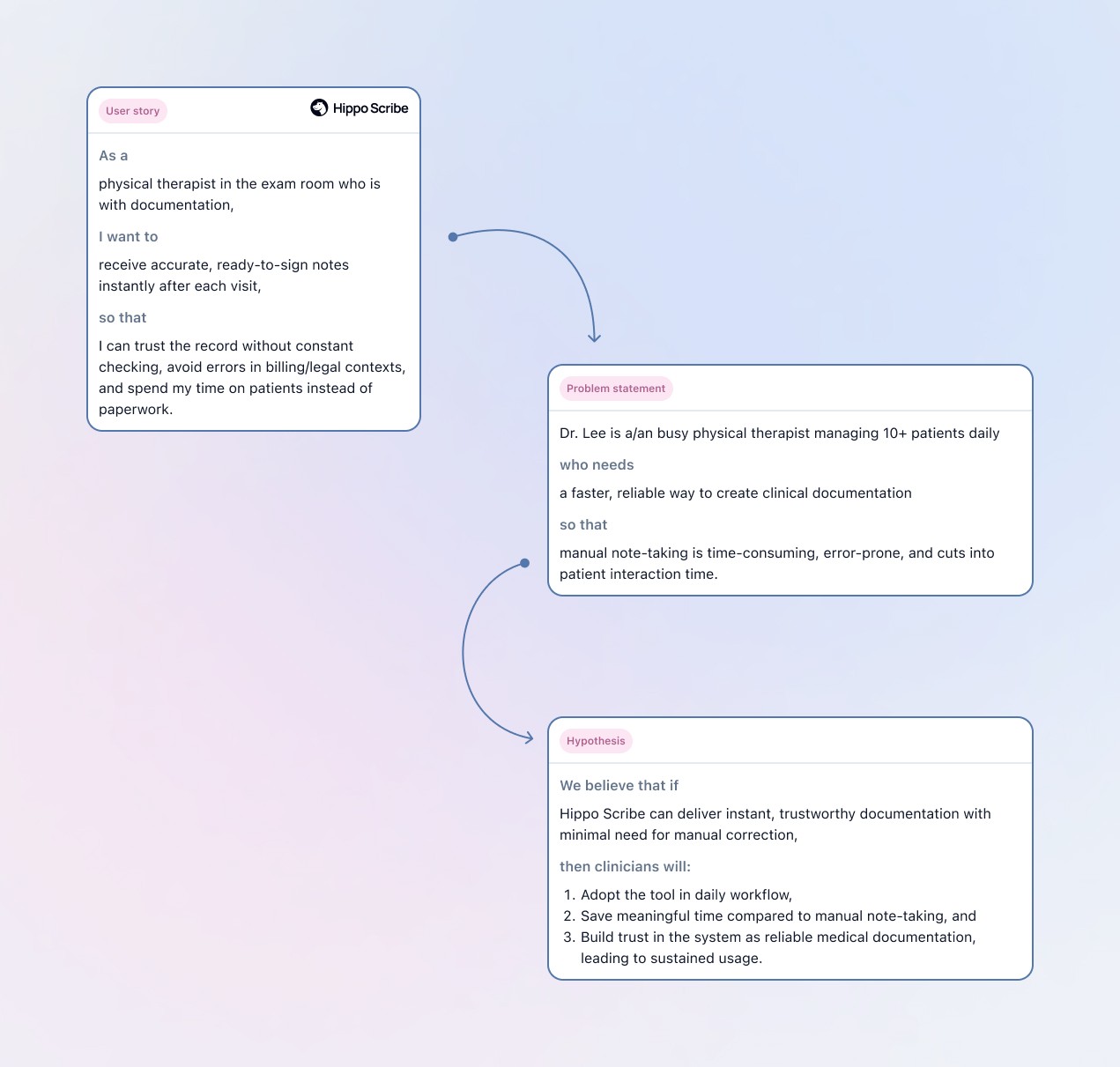
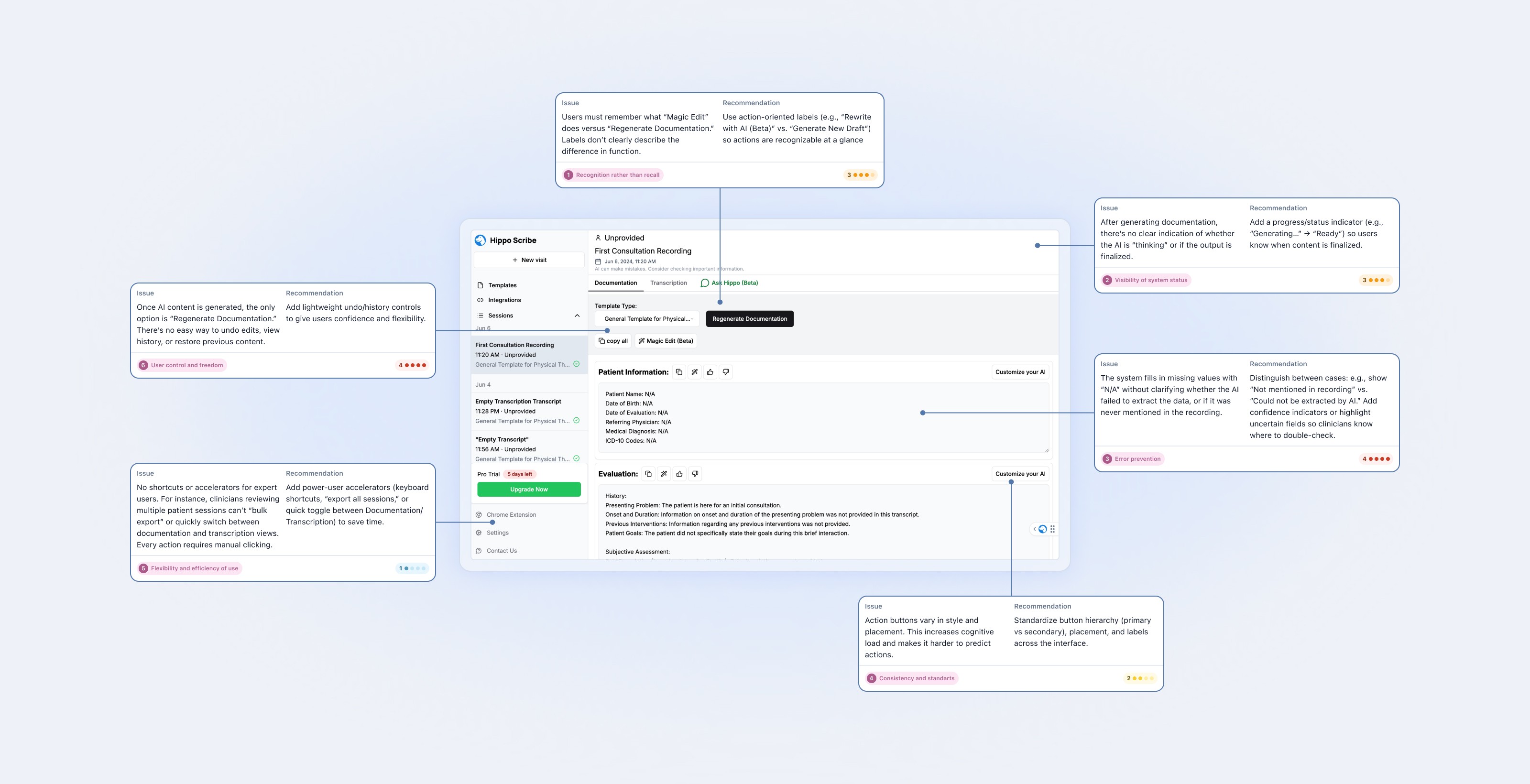
I conducted a heuristic evaluation and user interviews to identify root causes. Three key insights shaped our priorities:
Multiple touchpoints
Doctors use mobile for recording, desktop for reviewing notes, and Chrome extension for EMR syncing.
Poor EMR integration
The ability to clearly and reliably connect to any Electronic Medical Record (EMR) was a critical feature.
Prompting AI is difficult
Users spent too much time manually editing notes, as prompting the AI was too complex.
Intuitive recording
I designed an intuitive, one-handed recording flow optimized for clinical environments, prioritizing instant capture, high contrast, and predictable layouts to minimize friction and cognitive load during patient visits.
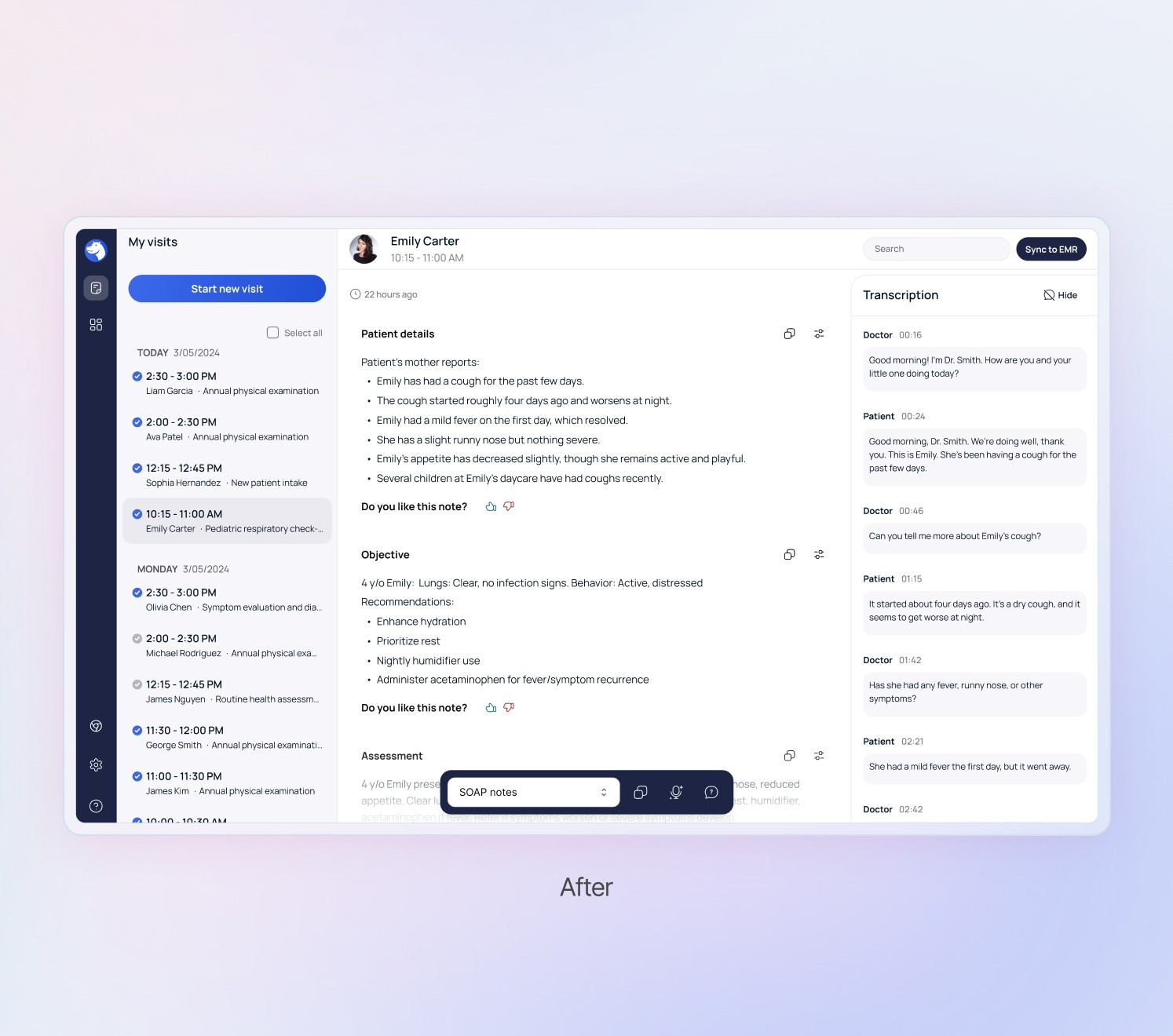
I introduced a floating menu that gives instant access to chatbot help and voice editing, making interactions less disruptive.
Generated notes review
Instead of forcing users to bounce between separate screens for transcripts, notes, and actions, I brought everything into a single view. What once took three layers of navigation could now be reached in one.
Generated notes review and editing
AI Templates
To empower users to guide the AI I introduced a template builder with real-time preview based on patient visits and maintained visual consistency by reusing layout and spacing patterns.
I redesigned the flow into a guided experience that reduced editing and increased trust in AI outputs.
Template editing
The redesign significantly improved usability, reduced manual work, and helped the team hit their launch goal on time.
Time spent on documentation per patient visit has been reduced from 10 minutes to 4 minutes.
Number of steps to complete common tasks decreased from 15 to 7.
Related work